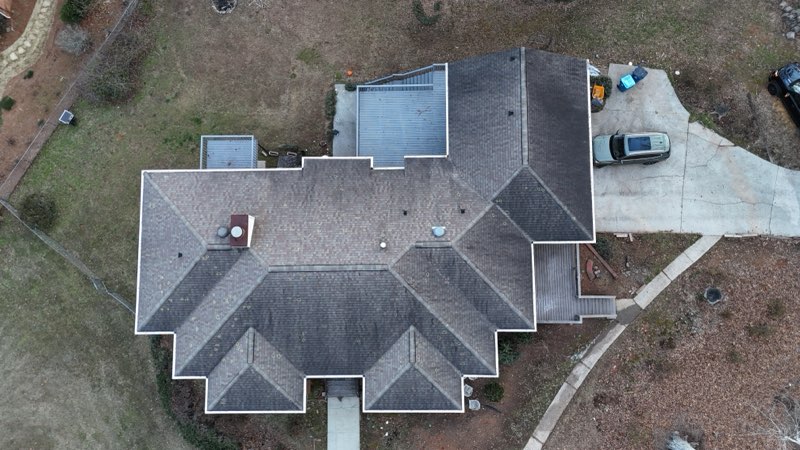
Understanding Roof Ventilation: Key to a Healthy Home Environment May 31, 2026
Proper roof ventilation works by allowing air to circulate through the attic, ensuring heat and moisture have a way to escape. This ventilation prevents the accumulation of excess heat and moisture in the attic, which can lead to roof and structural damage. Without proper ventilation, homeowners may face issues such as warped or weakened roofing structures, increased energy bills due to overworked HVAC systems, and the growth of mold and mildew.
Understanding the types of roof ventilation systems can help make informed decisions. Two primary types are intake and exhaust ventilation. Intake vents, typically located along the soffits or eaves, are designed to draw in cool, fresh air from outside. Exhaust vents, on the other hand, are located near the roof's peak and allow hot, moist air to escape. The balance between these two types of vents is critical for efficient air circulation.
There are several options when it comes to exhaust vents. Ridge vents are a popular choice as they run along the entire peak of the roof, allowing for even ventilation. Box vents, another common type, are static and require no mechanical parts, making them relatively low maintenance. For those interested in a more tech-savvy solution, powered attic vents and turbines use motorized fans to draw out hot air, offering an energy-efficient option that can adjust based on attic temperatures.
The benefits of adequate roof ventilation extend beyond merely maintaining roof integrity. During the hot summer months, proper ventilation helps in reducing cooling costs. By allowing hot air to escape, the home's temperature can be significantly decreased, reducing the need for excessive air conditioning. In winter, good ventilation prevents the build-up of moisture, which can lead to ice dams forming on the roof. These ice dams can cause significant damage if left unattended.
It's important to note that roof ventilation needs can vary based on your home's specific architecture and local climate. Therefore, it's wise to consult with professionals like FNS Exterior Consulting LLC, Powered By Live OAK, to assess your roof's ventilation requirements. They can provide tailored solutions and guidance to ensure your home remains energy-efficient and damage-free.
Regular maintenance checks are also key in promoting effective roof ventilation. Ensure that vents remain unobstructed, and be on the lookout for signs of poor ventilation, such as musty smells, moisture on attic windows, or uneven roof temperatures. Addressing these issues early on can prevent more significant, costly problems down the road.
In conclusion, roof ventilation is an essential part of home maintenance that should not be overlooked. By ensuring proper ventilation, homeowners can protect their roofing investment, improve energy efficiency, and maintain a healthier living environment. For expert advice and reliable services, FNS Exterior Consulting LLC, Powered By Live OAK, stands ready to assist with all your roofing needs, ensuring your home remains both comfortable and safe.
/filters:no_upscale()/filters:format(webp)/media/269e1958-38e8-40ba-8e32-8fec7b90f67f.jpeg)