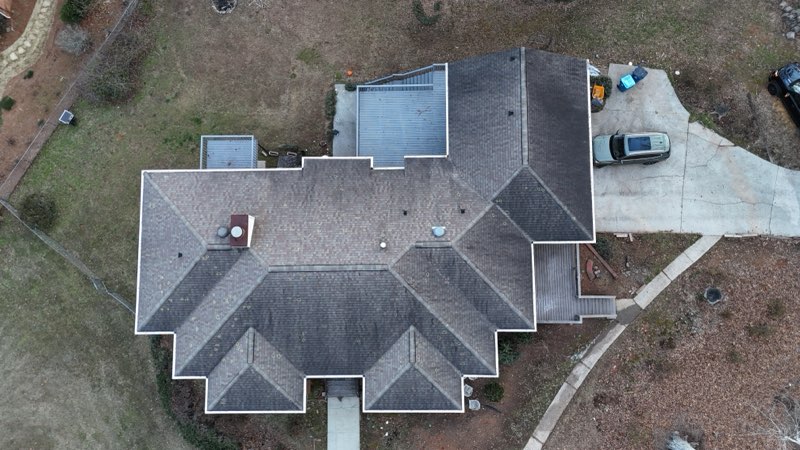
Roof Restoration vs. Replacement: Making the Right Choice for Your Home Jul 05, 2026
Roof restoration is an often-underestimated option that involves repairing the existing roof and applying specialized coatings to extend its lifespan. This approach suits roofs that are structurally sound but showing signs of wear and tear, such as minor leaks, faded color, or minor shingle damage. Restoration can be a cost-effective solution that improves the roof’s longevity while enhancing its appearance. For many, the key benefits of restoration include biodegradability, lower bills due to improved energy efficiency, and a reduced environmental footprint since it avoids the waste of discarding an entire roof.
On the other hand, roof replacement involves removing the old roof and installing an entirely new one. It's typically necessary when extensive damage occurs or the roof materials have exhausted their lifespan. A replacement provides the opportunity to upgrade to more durable materials or to change the roof’s design entirely, potentially boosting your home's market value. Although the initial costs are higher, replacement might be more economical in the long run if the existing damage predicts recurrent repairs.
Factors such as the age of the current roof, the extent of the damage, and your local climate play crucial roles in deciding between restoration and replacement. Roof materials that are prone to weather-related deterioration, like composite shingles in harsh climates, might often result in the need for full replacements. In contrast, metal or tile roofs could benefit more from restorative techniques if caught before severe damage sets in.
Energy efficiency is another fundamental aspect of this decision. Restorative treatments can provide reflective coatings that lower heat absorption, thus decreasing energy costs. However, a new roof installation allows for a comprehensive upgrade that includes improved insulation methods and the latest in reflective materials, potentially offering more significant energy savings.
Budgetary considerations cannot be ignored. Restoration costs are significantly lower upfront compared to replacement, and they offer a practical solution for extending the roof's life by another five to ten years. However, if existing problems are pervasive or the materials have a short lifespan, opting for replacement might avert consistent future expenses on repairs.
Consulting with professionals like those at FNS Exterior Consulting LLC ensures an expert assessment that aligns with your needs and financial considerations. We offer personalized advice to help you navigate the complexities of roof maintenance decisions, ensuring you receive optimal solutions tailored to prolong your home's lifespan while enhancing its value.
In conclusion, choosing between roof restoration and replacement involves assessing the current condition of your roof, anticipating future needs, and considering environmental and financial factors. By understanding these critical distinctions and consulting with experts, you can confidently decide that optimizes your home's safety and value. Whether you lean towards restoration or replacement, FNS Exterior Consulting LLC is here to guide you every step of the way.
/filters:no_upscale()/filters:format(webp)/media/269e1958-38e8-40ba-8e32-8fec7b90f67f.jpeg)